
What is Mandala Art?
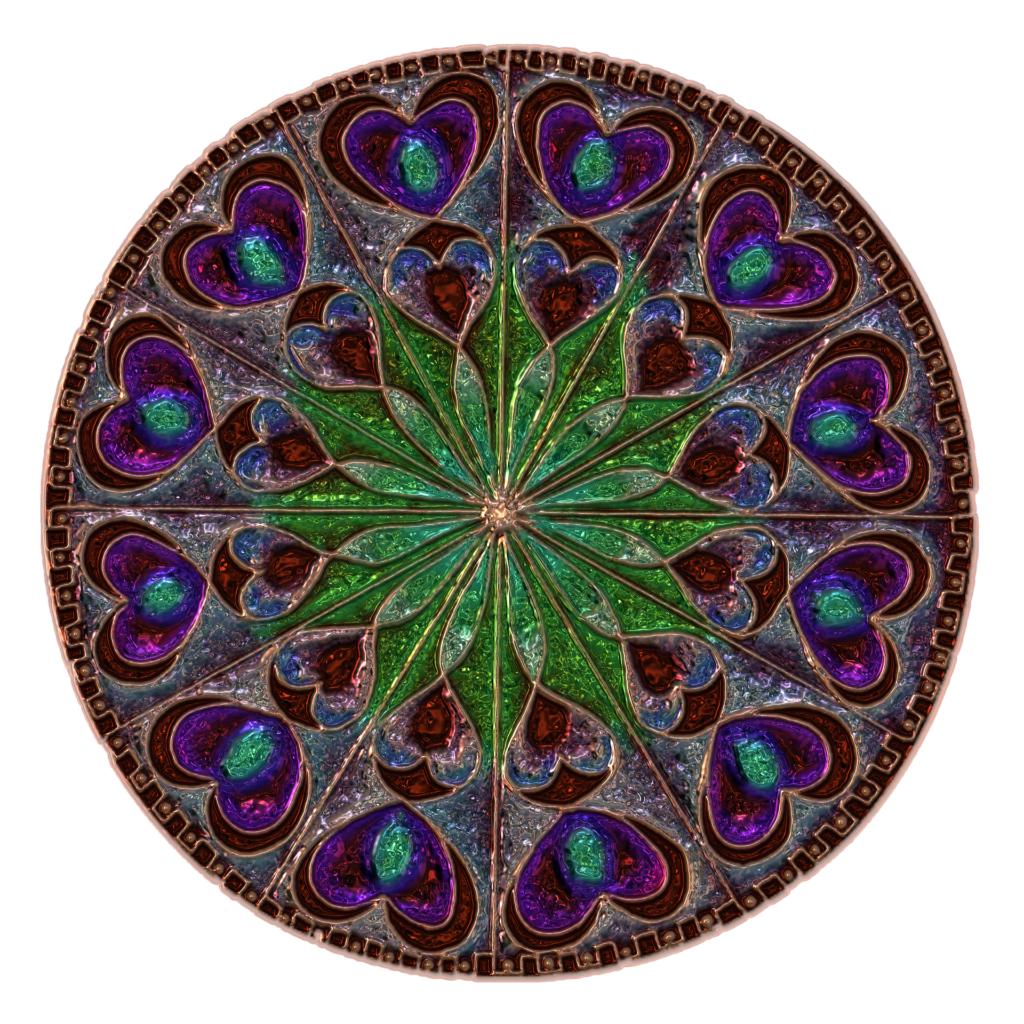
Mandala Art is a form of artistic expression that uses circular patterns and symmetrical designs to create visually balanced artwork. The term mandala comes from the ancient Sanskrit language and means “circle” or “center.” The deeper meaning is connected to harmony, spirituality, balance, and the connection between the inner self and the universe. For centuries, different cultures and religions have used mandalas in meditation, rituals, and spiritual practices because of their calming and meaningful patterns. Today, it has become popular not only for its beauty but also for the peaceful emotions it creates in people.
Symbolism and Spiritual Connection in Mandala Art
The symbolism behind this art is deeply connected with life, growth, and unity. The circular shape represents completeness and the endless cycle of existence. Every line, shape, and layer inside a mandala has a symbolic meaning that reflects balance and positivity. The detailed patterns often symbolize the Spiritual Connection in mandala art that lead to personal growth, emotional healing, and spiritual awakening. The true meaning goes beyond decoration because it encourages mindfulness and concentration while creating or observing the artwork. Many artists believe that drawing mandalas helps reduce stress and improves mental clarity, making it both creative and therapeutic.
This art in Different Traditions
Across cultures, Mandala Art has held spiritual and cultural significance for centuries. In Hinduism and Buddhism, mandalas are used during meditation to represent the universe and divine energy. Tibetan monks create intricate sand mandalas as a symbol of impermanence and spiritual devotion. Native American cultures also use circular symbols similar to mandalas to represent nature, life cycles, and unity. The universal meaning remains connected to peace, self-discovery, and emotional balance. Because of its rich symbolism and artistic beauty, Mandala Art continues to inspire modern artists, designers, and individuals seeking relaxation and inner peace.
Why It Remains Popular Today?
In modern times, this is widely used in home décor, fashion, tattoos, and therapy-based activities. People are attracted to its calming patterns and symbolic depth. The relaxing process of creating mandalas helps individuals improve focus and express emotions creatively. The growing interest in mindfulness and self-care has also increased awareness about Mandala Art meaning and its positive psychological effects. Whether used for spiritual purposes or artistic enjoyment, Mandala Art remains a timeless creative practice that connects people with balance, beauty, and inner harmony.